
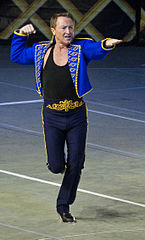
 Following a sold out run at the London Palladium in 2014, Michael Flatley’s Lord of the Dance: Dangerous Games is returning to the West End at the Dominion Theatre from 13 March to begin a farewell tour following the six month run at the Dominion. The show’s 2014 run was intended to mark Flatley’s last West End appearance, but the star couldn’t resist returning for one last time to the capital’s stage.
Flatley will take to the stage for the first 12 days of performances before young star James Keegan takes over the role for the rest of the run of the hit Irish dance spectacular. Flatley will also be returning to the 3 Arena in Dublin and the Odyssey Arena in Belfast at the end of March. His only performances in the multi-date UK tour will be at the Brighton Centre from 2-5 April, where the tour begins, and at the Wembley Arena on 4 July, where the tour ends.
The production, which combines executing and groundbreaking technology, including holographs, dancing robots and world champion acrobats, also includes musical appearances from Girls Aloud’s Nadine Coyle. A new score composed by Gerard Fahy, new costumes and special effects lighting add a breathtaking new dimension to the original masterpiece. “My dancers are the real stars,” says Michael of his troupe of dancers, some of whom have been with the company for 10 years. He is immensely proud of their hard work and dedication, and to bring the show back to the West End in the magnificently refurbished Dominion Theatre is a dream come true.
The global phenomenon that is Lord of the Dance will be bigger than ever in 2015, with Lord of the Dance: Dangerous Games on a 200-plus date tour across 15 countries over the next 18 months. In the UK, the show will be performed concurrently in London at the Dominion Theatre from 13 March-5 September and on a UK tour from 2 April-4 July.
Image courtesy of Wikimedia Commons.
 The year-long celebration of song and dance will begin with BalletBoyz: The Talent, documenting the work of dance company BalletBoyz, followed by the BBC Young Dancer 2015 in April with the final in May. In July, David Bintley, Artistic Director of Birmingham Royal Ballet, will investigate how the foundations of ballet were laid during the reign of King Louis XIV of France, in The King Who Invented Ballet. The autumn will focus on the story of contemporary dance told through a group of young dancers in new documentary, Strictly Modern Dance.
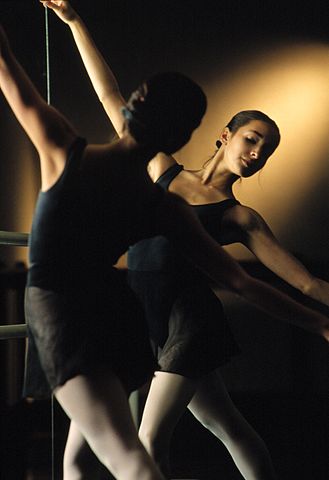 Do you want to take your dancing to a professional level? As glamorous as it may seem, the life of a performer is a lot of hard work, pain and strict dedication to the goal. If you still wish to pursue a career in dance you must strive for it completely, as it requires a lot of passion and hard graft.
 A new competition from the National Deaf Children’s Society – named Raising The Bar – has been announced in order to encourage young deaf dancers and musicians to showcase their performance skills. Entering is simple, just through the NDCS website, and could mean the young artists could show off their talents and attend a masterclass led by successful deaf dancers and musicians.
 Did you make any new year’s resolutions for 2015? Were any to do with dance, and have you managed to keep them? Some long term resolutions for the dance studio, however, may be easier to keep, as they can improve and maintain a good relationship with your teacher and fellow students.
 We are all aware of how good dance is for us. As a non-verbal method of communication utilising the body’s movements, often to music, there are many dance styles practised around the world. Originally these would have represented different ways of life, different cultures, ethnicities, belief systems, social structures, and traditions, but today it seems all dance styles are danced everywhere! It is arguable too that the individual and communal benefits of dance go far deeper than the common perception of dancing just for fun.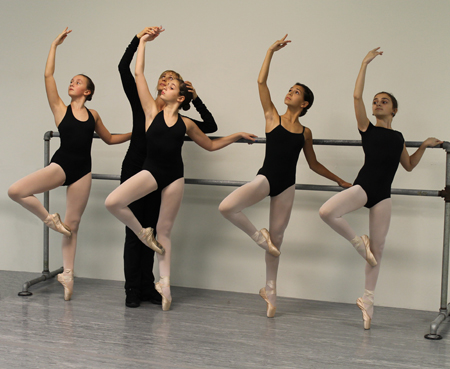
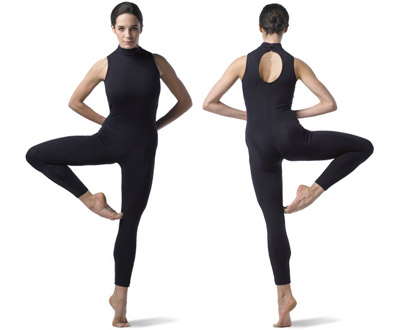 Despite it being the worst possible scenario for most dancers, sometimes dancing cannot come first in life. Whether this is because of personal, time-restrictive or financial circumstances or even public holidays, sometimes dance must be factored into a busy life, rather than the other way round.
 As a dance student, you may wonder how you will ever remember every note, correction and suggestion you are given in class. You may even have more than one teacher; even two teachers means double the amount of notes you are given! You may have teachers who work by the same method, however they may teach in very different styles. Whilst this is beneficial to ’round’ you as a dancer, it may be tricky to keep track of everything you have to remember.