
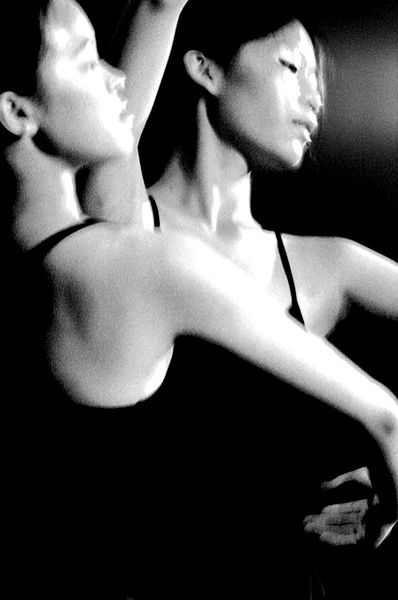
 As dancers, we sometimes hit that mid-training rut, where we have had enough of the pliés, the tendus, the jetés, and definitely had enough of the pirouettes. With July turning into a bit of a scorcher, there can also be more appealing things than dressing head-to-toe in Lycra leotards and tights, let alone legwarmers!
However, it is easy to forget the great benefits of all kinds of dance, especially when sweating along to the Waltz of the Flowers or a similarly clichéd tune. Ballet in particular is a fantastic way for dancers of all ages to increase fitness, flexibility and all-round wellbeing whilst relieving stress and taking part in an activity you enjoy rather than pounding the treadmill. In particular, ballet promotes correct stance, deportment and a more streamlined body shape, with the dancer having pulled up the muscles, turned out the legs from the hip joints and lengthened out of the neck to appear more graceful. Even attempting new movements promotes the body’s resilience and supportive strength through dance classes and rehearsals. Dance offers great variety of methods of keeping fit and flexible, working many different types of muscles; Delayed Onset Muscle Soreness (DOMS*) is a great way of discovering new muscles you didn’t know you had!
Once you have learnt to use the correct postural muscles it is easy to achieve a look of a flat stomach and toned legs whilst working harder towards these dance goals. In this sense, it is particularly useful to combine ballet classes with dance classes of other techniques in order to complement your body’s work and created a fully-rounded dancer that is not pigeon-holed. There are many types of dance classes readily available, such as various forms of street dance, jazz, tap, and even complementary techniques such as Pilates and yoga. Used alone or as a dancing cocktail mix, the techniques all work to challenge the body in different ways and ensure it does not become complacent! Whilst the benefits of ballet are clear ‘across the board’, other dance techniques also aim for the same goal and the joy of dance yet pursue it differently. For example, ballet, jazz and yoga or Pilates are all fantastic ways to increase leg and back flexibility and strengthen the core, yet employ different exercises in order to keep the body from becoming stagnant.
Ballet targets certain muscles through its training techniques, which also means that these areas of the body must be stretched and cared for in order to progress. The hamstrings and quadriceps, and adductors and abductors (inner and outer thigh muscles) – as opposite sides of the leg – are all worked in different ways, therefore the correct stretches must be carried out post-class for each. For ballet in particular, even holding the arms correctly as an extension of the back works the latissimus dorsi extremely hard, which are muscles often overlooked by the eagerly training dancer. As a result, stretching exercises come hand in hand with all disciplines of dance, not just ballet, and are an efficient way to keep the body mobile and maintaining the discipline and hard work of the class. For ballet in particular, muscle tone and suppleness also comes from stretching muscles such as the hip flexors, quadriceps, hamstrings, calves, soleus and the gluteus maximus and medius, for flexibility, jumps and turn out.
Many dance teachers advocate that ballet is the basis of all dance and maintain that it is needed as a solid foundation on which to build the rest of your dance training. Even if you disagree with this, it is clear that ballet and then other kinds of dance forms are needed to complement and balance out your dance work, in order to provide yourself with an all-round training that provides enjoyment and body benefits. Whilst it is not always a cardio workout, ballet works the body hard, keeps joints active and induces great discipline both for the body and the mind by requiring short bursts of intense, anaerobic exercise. By taking regular ballet classes you are constantly increasing the capacity and ability of the body, in particular, strengthening the legs and encouraging flexibility.
Increased muscle tone, flexibility and ability all contribute towards the wide goal of staying fit and healthy as part of having a healthy, dancing lifestyle. Dance can greatly contribute towards weight-loss, particularly by following a rich and varied programme of a combination of dance styles to balance out the training. With jazz dance a great cardio challenge, ballet can complement and tone up these newly found muscles, and other techniques such as Pilates and yoga used to maintain flexibility and peace of mind amongst the madness that is the world of dance!
* DOMS is muscle pain, soreness and stiffness which occur 24-48 hours after a changed or increased workout (dance) or workout intensity.
Image courtesy of Wikimedia Commons.

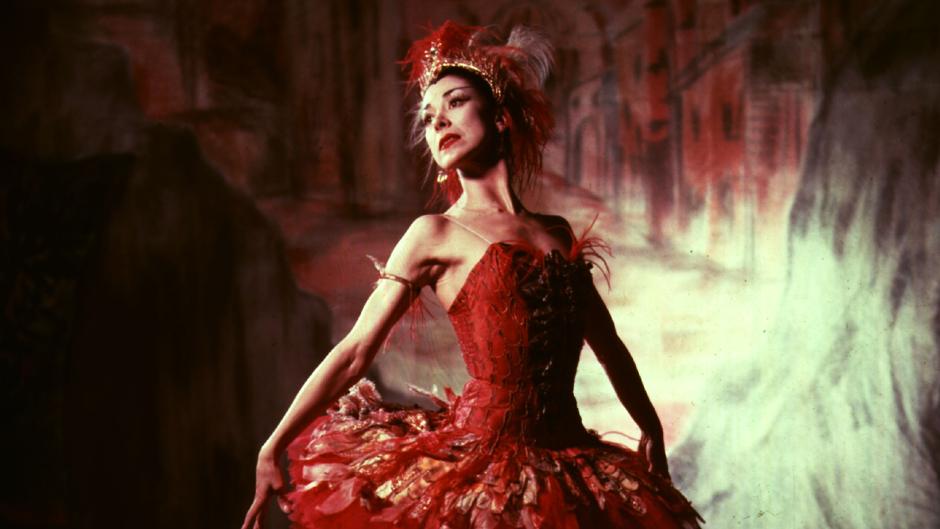 Dame Margot Fonteyn’s name dominated British ballet for more than 40 years as one of the truly great dancers of our time and the most famous ballerina of the second half of the century. Her name is one part of the legendary partnership with Rudolf Nureyev, with Fonteyn becoming late choreographer Frederick Ashton’s muse and an iconic figure of the English classical ballet style of elegance.
 Queensland Ballet has announced an exclusive season coming up for dance fans in Australia by obtaining two very current stars, each in their own respects, for new work in the coming year for the company. Kenneth MacMillan’s Romeo and Juliet will be staged and will star Tamara Rojo and Carlos Acosta for the season which will run from 27 June to 5 July 2014. This is fantastic for the company and a huge achievement for Queensland Ballet’s artistic director, Li Cunxin.
 Becoming one of the BalletBoyz is arguably every young dancer’s dream. With their slick performances, immeasurable talent and famous good looks, it is no wonder that the group lead by Trevor Nunn and William Trevitt is going from strength to strength, and may have the answer to these young dancers’ wishes.
 Ballet has taken a new leap into technology, with students from 18 international schools having performed together virtually at a conference in Toronto. The students from Toronto were linked through dance and livestream with dancers in Amsterdam as part of a curriculum Canada’s National Ballet School has worked into the Assemblée Internationale, a week-long conference in Toronto with student dancers from ballet schools around the world. As a collaborative conference, it will bring students together to form bonds and learn about working together just as they are thinking about where they will be dancing professionally in a few years, with technology central to what they do.
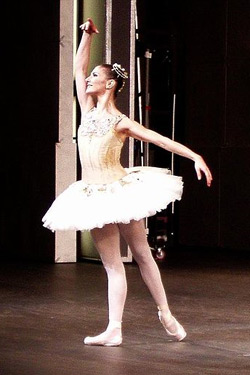 Alina Cojocaru, back in 2008, launched the fundraising for the Bucharest Hospice Appeal through her first gala for Hospice of Hope, a Romanian charity operating to prevent the abandonment of sick children. This donation of so much of her time and effort is in an entirely different vein from her Royal Ballet status.
 New York City Ballet company, founded in 1948, has announced its 2013-14 season, and it is set to be incredibly exciting for eager ballet and dance fans of all genres. The new season is set to include the world premieres of ballets by Peter Martins, Justin Peck, Angelin Preljocaj and Liam Scarlett, a good result due to the speculation surrounding his absence from the next Royal Ballet season.