
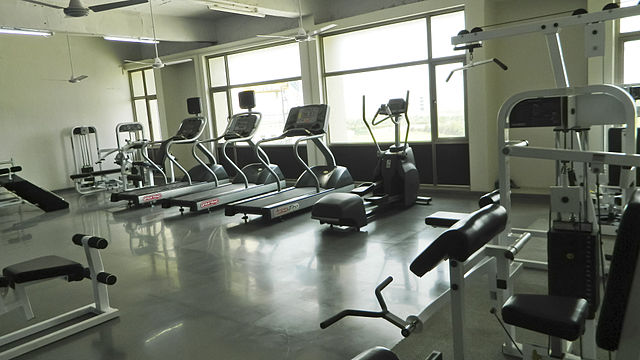
Dancers are renowned for their slick technique, exquisite muscle tone and fantastic ability to perform convincingly in front of an audience. Particularly for ballet and contemporary dancers, they are used to the demand of lengthy and extensive choreographed pieces which can last for any given length of time! As a result, their aerobic fitness levels must be adequate to deal with these demands and work the body effectively through the performance.
Despite the high levels of fitness required by dance, most dance techniques require short bursts of energy, rather than prolonged ones: a sprinter in comparison to a marathon runner. By default this means that dancers will perform anaerobically, meaning the oxygen used in an aerobic sense is not transferred to the muscles and red blood cells, dancers are dancing on reserves.
In addition to this, dancers are becoming increasingly aware that they are only fit to dance, rather than fit to run long distances, for example. Many dance companies now complement their dancers training with body conditioning and alternative fitness classes, even encouraging the dancers to use a gym to build up cardiovascular fitness. Although dancers are described as being “fit” in their ability to dance through incredibly long days and strenuous performances, it seems they are now required to ensure they are fit and versatile, able to cope with extreme demands and engage as “artistic athletes”.
There is consequently much debate as to whether dance is an art, a sport, or even a combination of the two. Naturally dancers will argue that dance is not a sport, due to the aesthetic demands and specific artistic performance quality which is lacking from sport. However it is a disservice not to refer to dancers as athletes in their ability to soar above the stage and perform great works, and as Albert Einstein and Martha Graham separately declared, they are ‘athletes of God’.
Image courtesy of Wikimedia Commons.
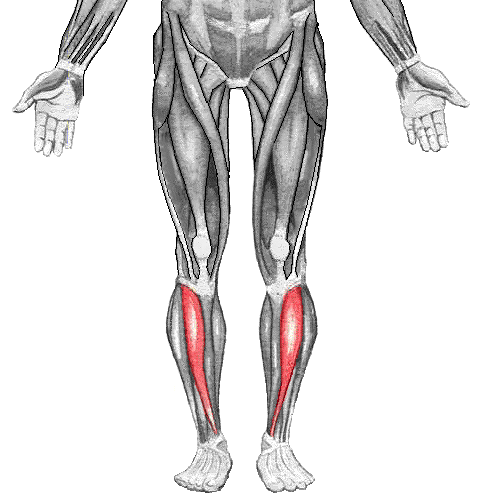 DOMS: a common ailment for dancers, athletes and sports players. As much as it is common, the meaning of the each letter and its cause is not often known, especially by those who are younger and just beginning to train harder in their chosen area.
 The Olivier Awards, the iconic award event which took place earlier this year, is due to take place on Sunday 13 April 2014 with MasterCard. The coveted statuettes – as well as one new award – will be awarded to the very best productions, performers and creatives in London’s Theatreland. Many may argue that the UK’s capital is the best in the world in terms of theatre, but with New York’s Broadway as a prime contender it’s a close call!
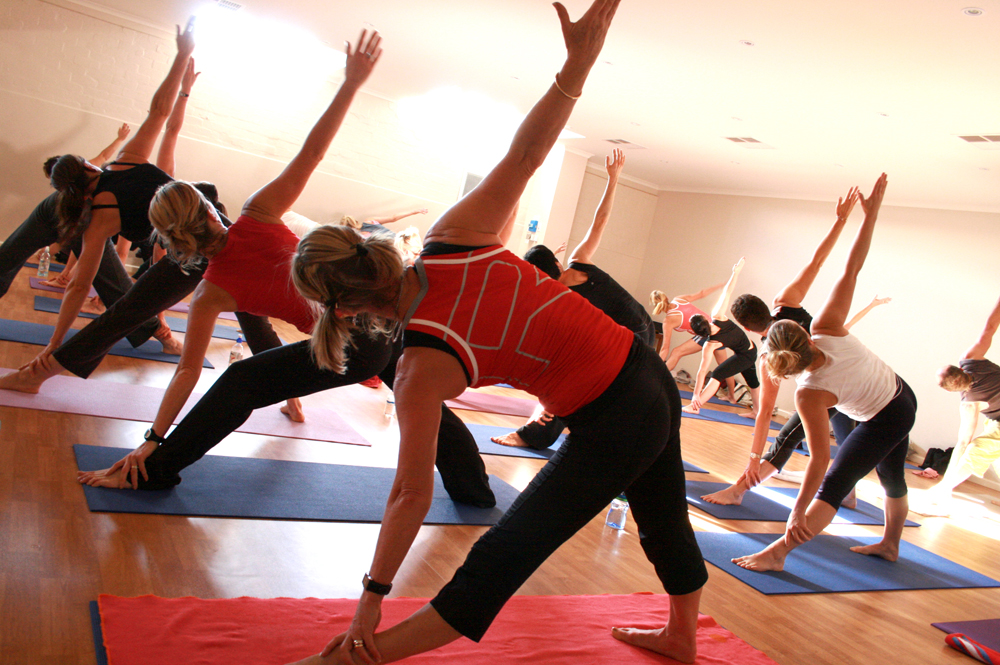 Many dance students who are getting ready to commence their vocational training at performing arts institutes will also be introduced to the term ‘body conditioning’. It is something that all dancers are aware of as a means to improve their technique and overall presence in the performance space, and many continue working on their body conditioning for years on end.
 The Yorkshire Ballet Summer School’s 40th anniversary will be celebrated this year in a gala organised by Anthony Dowell and the actor Derek Jacobi. The gala will be held at national dance house Sadler’s Wells, London, on 29 September, marking the journey from strength to strength of the summer school and its staff.
 Sky Sports has recently launched an initiative to get more children involved in sport by launching ‘Sky Sports Game Changers’ on Saturday mornings. An both an incentive and an inspiration, the show will feature regular appearances from a host of sports stars and Sky Ambassadors including David Beckham and Jessica Ennis-Hill to persuade children to get active and get involved.
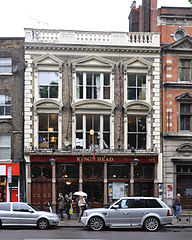 What with funding news, openings of shows, closing shows, pay and tragic passings of life, theatre is never far from reported news. In a more political stance, the King’s Head Theatre in Islington has responded to Russia’s anti-gay laws in a reaction to the escalating violence and oppression towards gay Russians after Putin’s anti-gay legislation and the current high-profile debate over the Sochi 2014 Olympics.
 Whilst the musical theatre sector of the performing arts industry is by no means its ultimate defining feature, it arguably contains as many strong messages about society as contemporary dance, for example, commenting on the reality of today and issues that weave themselves through life. To take a few examples, many musical theatre productions emit a statement in its own right.
 Students at the prestigious musical theatre college Laine Theatre Arts have had a blow ahead of the new academic year. Epsom and Ewell Council, the area in which the college is situated, has withdrawn housing benefits which many of the student receive.