
 Alan Burkitt, a Fred Astaire for today, covers the lead Jerry Travers in the hit West End show Top Hat. From his beginnings as a young tap extraordinaire, to three years vocational training at Performers College, Alan has become a versatile performer who takes ultimate pride in his work in the capital’s West End. Here he talks about his early dancing years, his incredible life in Top Hat and the exciting venture which is up next for his career…
When did you begin dancing, and why?
I began dancing at the age of five in my hometown of Whitstable, in Kent. It was really something that I wanted to do and after much prancing around the kitchen my parents gave in and shipped me off to a local dance school. Still to this day I’m not quite sure what attracted me to dance as it does not run in our family and my parents are not particularly ‘stagey’… so I guess I got their share too!
What were your early years of dancing and training like?
At the age of 10 I started at the Deborah Capon School of Dance. Unfortunately Deborah passed away last month, taken from us in her prime. She was an exceptional teacher who instilled a depth of knowledge and understanding in me that has stayed with me all through my professional years. I also studied Jazz, Ballet and National and was a Junior Associate at the Royal Ballet School. After Top Hat, I think lots of people see me as Alan: the tapper. It was Deborah that taught me about light and shade, fluidity of rhythm and presentation. Now in my performing years, a dear friend… I will miss her greatly.
How long have you been performing? Did you start young?
I performed in many shows and dance festivals growing up. I loved competing and going up to London for the day was always such a valuable and rewarding experience. As I was the only boy at our dance school I had the pick of the girls!
Where did you train? What was it like?
After staying on at school to do my A-Levels I went to Performers College in Essex. I can honestly say I loved my three years there and could easily go back and do it all again! The all-round training I received was excellent and the general atmosphere was something special to be a part of. I had an amazing Classical teacher there called Lorraine Swain. She pushed me technically in a direction I never thought possible and is part of the reason why I have been able to be so diverse in my professional career.
What is a typical day like for you?
A typical day?! I rise at about 9am… 9.30… ok, 10am! I have a healthy breakfast of a bacon butty and a cup of coffee then get the train into work on a Matinee [afternoon performance] day. (We have three!) We then have one show at 2.30pm, a quick dinner and 15 minutes shut-eye then we do it all over again at 7.30pm. It’s then back home at about 12am ready to do it all again the next day! It is tiring but we do it because we love it, and I think that’s the way performers are programmed and therefore function. We go into work everyday to do a job we love and are proud of… brilliant eh?!
Do you still take classes? How do you keep on top of your technique?
I’ll be honest and say not really! I do a lot of teaching however. I am hugely passionate about educating and inspiring others and I treat those lessons as my workout too! I also try to go to the gym to keep up a level of strength… I always find I have more energy and dynamics on stage when I’ve been more active in the day.
What do you like best about performing in the West End?
I love working in the West End because I feel a sense of pride and achievement. It’s so many young people’s dream to ‘make it’ there and I can actually say… “I’ve done that!” It’s lovely to be at home too so you can enjoy home and work life, and try to obtain some sort of balance?!
Which part of Top Hat do you enjoy most?
I love my track in the show but when I go on for the Lead ‘Jerry Travers’… you just can’t beat the feeling!! It is a dream role for me because it is a style of dance that I have adored from such a young age. I remember when I was little I won a tap competition and the adjudicator commented that I was like a mini Fred Astaire… since then I have been a huge fan of his films and to recreate one on stage is both exciting and an honour.
What advice would you give to someone aspiring to be part of the musical theatre world?
Easy… you have to wake up in the morning and want to do this more than anything else. That means growing a thick skin as there will be rejection along the way, but more than anything you have to live and breath music or dance. It’s hard at times… but trust me, it pays off!!
What would you say is the best part about dance and performing for you?
The best part about performing for me is when you completely let go and immerse yourself in a character on stage. It is an escape from day-to-day life that is so rewarding and diverse. There’s a moment in every show, when after rehearsals you suddenly just relax and ‘become’ that character and no longer have to think about the steps because they just happen… that’s when an audience forget they’re sitting in a theatre and are transported somewhere magical!
Tell us something about yourself we may not expect…
I’ll soon be thirty two!!! Hard to believe one could still look so fresh and young?!
What’s next for you?
I’m currently choreographing ‘Fascinating Aida’ for a new UK tour called Charm Offensive!… plug plug! It’s going to be great and the girls are an absolute hoot to work with. Go and support this wonderful show as they travel to a town near you!
Other than that it’s back to auditioning and planning the next step in my career… I’ll let you know!
 It has been the subject of much speculation over many years, however with the turn of the twenty-first century it seems that dancers will stop at nothing to achieve. Behind these dancers are their parents and dance teachers, encouraging and even directing these young students into a dance world they may not wish to be a part of. In addition to this, they not by physically ready for this kind of work either.
 For dancers, the body is not just ‘the body’ but the means to achieve. Maintaining your optimum health and ensuring you are always at your peak is a constant thought in a dancer’s life at the best of times, but with the colder months ahead of us, it is something that requires even more attention.
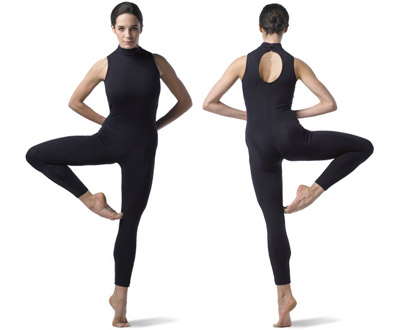 Whilst the stereotypical uniform for dance is much the same, different uniform is required for different dance schools, different exam boards and even different dance grades. For a non-dancer, the assumption of pink ballet tights and a leotard for ballet is not so far from the truth, the stereotypes also formed for tap and modern jazz. Contemporary and lyrical classes tend to be a little more free and liberal in terms of what the dancer dons, and can range from anything to short shorts and tights tops to tracksuit bottoms and baggy pyjama-style tops, known on the whole as ‘baggies’, often used in any dance class for warming up.
 In celebrating the past, present and future of East London Dance, its celebration of 25 years of dancing success saw a huge variety of performances come together under one roof at Stratford Circus. The abundance of vitality and passion was overwhelming, with one piece even gaining the Royal seal of approval: ‘Family Tree’ was originally conceived as part of the Coronation Festival earlier this year. Featuring performers from Middlesex University, Kingston University, University of East London and One Youth Dance, it was packed full of energy and celebrated the influence of the Commonwealth on contemporary Britain.
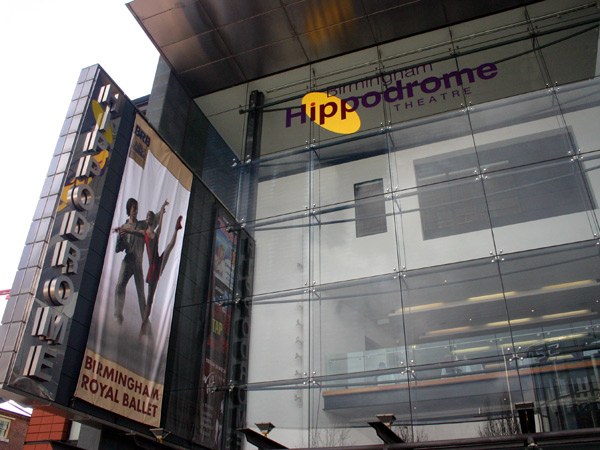 Birmingham Royal Ballet, the sister of the capital’s Royal Ballet, is renowned for its outreach and engagement activities. Just recently audiences were able to get a taste of what it is like to be truly ballet wicked, in a workshop with Birmingham Royal Ballet’s Assistant Director Marion Tait.
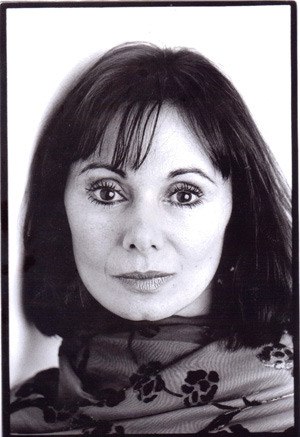 Marguerite Porter, director of the Yorkshire Ballet Summer School, is a British ballet diamond. From joining The Royal Ballet aged just 17, to partnering ballet legend Rudolf Nureyev, Porter’s ballet career has been full of iconic and incredibly memorable moments. Today sees Porter at the helm of the Yorkshire Ballet Summer School, leading it towards its fundraising Gala at Sadler’s Wells at the end of the month.
 Donald Hutera, notable arts journalist and dance critic, has been invited to curate the GOlive Dance & Performance Festival currently taking place at the Lion and Unicorn theatre until the end of September. Hutera’s work has appeared in The Times, Time Out and Dance Europe amongst other publications and websites world-wide, making him the ideal candidate to programme this new festival of dance.
 With the now mainstream TV entertainment programmes such as So You Think You Can Dance and Got To Dance, dance culture has shifted in the UK.
 On 10 September the Royal Academy of Dance will be launching Progressions: the launch of the new Advanced Foundation, 1 & 2 syllabi. It will be a virtual launch of the new work of the vocational graded examinations meaning members and non members alike will be able to watch the first ever virtual launch of new RAD syllabi on 10 September. Also on offer to engage with are demonstrations of the new advanced work, interviews with the creative panel and even a live Twitter question and answer session.