
 Andrew Lloyd Webber’s new musical – School of Rock – is set to open on Broadway in December this year, great news for fans of the film of the same name. Based on the 2003 film, the musical will feature songs from it also, in addition to new music by Lloyd Webber. Previously the mogul had spoken about opening the musical on Broadway, rather than in the UK’s because of the more relaxed child performance rules.
In New York a child can be employed as an actor for six months to a year, without enforcing the triple casting rules of the UK: if a show finishes after 10pm a child can only perform eight nights every six weeks. In New York however, the rules governing children are less stringent, permitting child actors to work up to 9 hours a day.
When the show premieres on Broadway, it will mark an important point for composer Lloyd Webber, as his last show to open in New York before London was Jesus Christ Superstar in 1971. With School of Rock his next musical, it will become his first in more than 40 years to open on Broadway ahead of the West End. While the UK is Lloyd Webber’s home, opening in Broadway would be significant – School of Rock is an American story, so to open in the iconic city would pay homage to this.
The story of School of Rock is much about how music can empower children to take control and to achieve something huge. Like the UK, there are an abundance of talented musical theatre child performers in the US. It has been stated that casting for the show will begin in the US in January for the show to open the following winter.
Image courtesy of Wikimedia Commons.
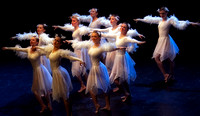 We are all aware of how good dance is for us. As a non-verbal method of communication utilising the body’s movements, often to music, there are many dance styles practised around the world. Originally these would have represented different ways of life, different cultures, ethnicities, belief systems, social structures, and traditions, but today it seems all dance styles are danced everywhere! It is arguable too that the individual and communal benefits of dance go far deeper than the common perception of dancing just for fun.
 Theatre is renowned for providing an escape from the mundane everyday, by transporting audiences into a story which is nothing like their own. Stories of theatre can contain anything from the sublime to the ridiculous, but either way they are travel machines away from the world outside the theatre door. For much of the time, theatre creates an illusion for its audiences in which what is performed on stage becomes real in the minds of the audience.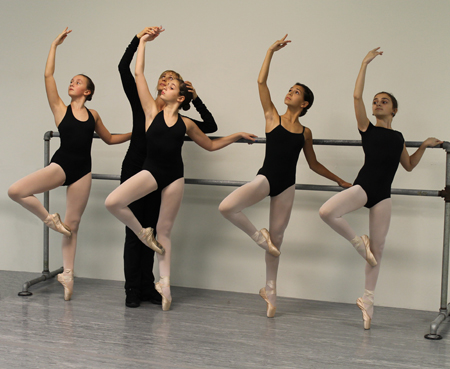
 Even if dancers aren’t pointe novices, often there are still things to learn about caring for dance shoes, pointe shoes in particular. If you are new to pointe work for the new year, start as you mean to go on and ensure your shoes are cared for in the best possible way.
 Despite it being the worst possible scenario for most dancers, sometimes dancing cannot come first in life. Whether this is because of personal, time-restrictive or financial circumstances or even public holidays, sometimes dance must be factored into a busy life, rather than the other way round.
 In December there was the controversial announcement that the Théâtre Royal de la Monnaie, the most important opera house in Belgium and a source of some of Europe’s most cutting-edge productions, may stop all dance programming after a forthcoming production by iconic Belgian choreographer Anne Teresa De Keersmaeker.
 As a dance student, you may wonder how you will ever remember every note, correction and suggestion you are given in class. You may even have more than one teacher; even two teachers means double the amount of notes you are given! You may have teachers who work by the same method, however they may teach in very different styles. Whilst this is beneficial to ’round’ you as a dancer, it may be tricky to keep track of everything you have to remember.
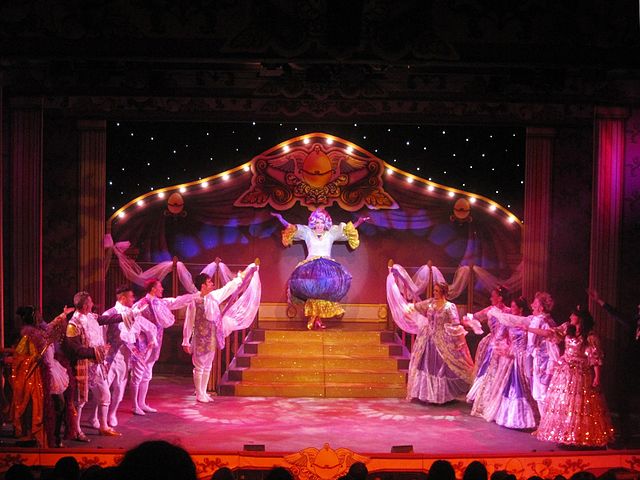 Pantomime has received a facelift in recent years, a “rags to riches” transformation. The 80s and 90s saw a gradual decline in quality, and pantomime was regarded as a cheap entertainment option with some glitter to cover the cracks. Some of regional repertories and smaller companies kept the magic alive and reinvigorated it, however audiences began to demand better and slowly pantomime began to improve.