
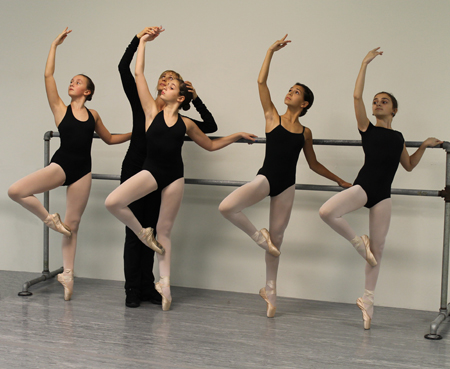
According to new research from University of Sydney academics, the arts are key to unlocking a child’s potential. While this may be the thought of many arts practitioners, especially of those in the education sector, it has not yet been formalised in findings. The study published in the Journal of Educational Psychology, tracked 643 primary and high school students from 15 Australian schools and assessed their academic outcomes and personal well-being over two years.
It was found that students who studied creative and performing arts were more motivated, more likely to complete homework, participate in class and enjoy school more than their peers who didn’t participate in the arts. These creative students also had a greater sense of purpose, self-esteem, life satisfaction and educational aspirations: dancing, singing, acting, playing music and so on all greatly benefit a child’s academic performance and overall creativity.
It is clear that the study provides compelling evidence that the arts should be central to education, rather than left to the outskirts of an apparently well-rounded curriculum. In short, the students who participate in the arts excel across the curriculum, so it is paramount that the arts are included in the education system. The research proves that arts education is not and should not be a bonus, but an essential part of a well-rounded education.
Teaching artistic creativity and encouraging children to participate should be mandatory from the off-set through to university, available to all students regardless of socio-economic background. Already, many Asian countries such as China, South Korea and Singapore are investing in improving their schools’ arts education to develop creativity and innovation. While these students rank highly in tests across the board, the Korean government has seen the need to increase their capacity in arts education too.
Image courtesy of Wikimedia Commons.
 Wilton’s Strike!, a new dance platform, is offering emerging dancers and choreographers the opportunity to develop a piece of work with Wilton’s Music Hall and to perform on its historic stage. Wilton’s is the world’s oldest surviving Grand Music Hall and London’s best kept secret, so this opportunity to work within the building is an incredible opportunity.
 The Royal Ballet received the Royal Academy of Dance’s highest award during a fundraising gala recently: the QEII Award – presented annually in recognition of outstanding services to the art of ballet by the RAD – was first conferred sixty years ago upon Royal Ballet founder Dame Ninette de Valois, in 1954.
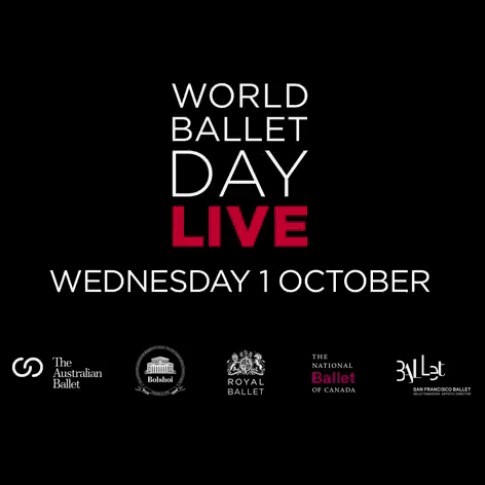 On 1 October, the first World Ballet Day will see a fantastic collaboration between five of the world’s leading ballet companies: the Australian Ballet, the Bolshoi Ballet, The Royal Ballet, National Ballet of Canada and San Francisco Ballet. On the first day of October, each company will stream behind-the-scenes action live from their rehearsal studios. Starting at the beginning of the dancers’ day, each company will take the lead with a four-hour period, streaming from their headquarters.
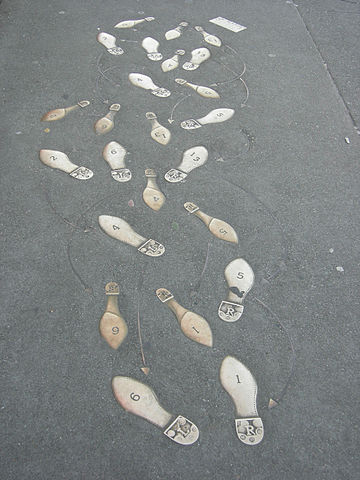 Surprisingly many dance students find learning new combinations tricky and challenging. Of course the more you try to learn new exercises quickly the easier it becomes, but there are a few tricks to make it easier.
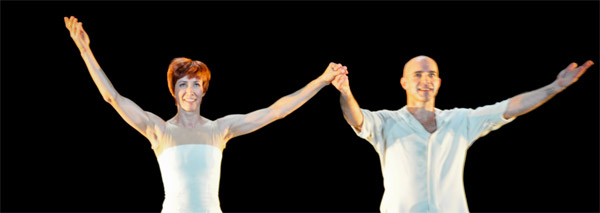 The iconic and ethereal dancer Sylvie Guillem has announced that she will retire at the end of 2015. Having begun as a classical ballet dancer at the Paris Opera Ballet and then becoming a principal with the Royal Ballet, the French ballerina turned contemporary dancer will be sorely missed by her audiences. Guillem joined the Paris Opera Ballet in 1981 where she was singled out by director Rudolf Nureyev: she was promoted to the top rank faster than any other dancer with the company.
 Strictly Come Dancing is back for 2014! Judges Len Goodman, Darcey Bussell, Craig Revel Horwood and Bruno Tonioli will all be returning to the popular BBC1 show, ready to judge 15 celebrities on their ability to jump, jive and boogie.
 A recent survey has revealed that 63% of UK residents consider a degree in Dance and the Performing Arts to be equally as valuable as any other theoretical subject, with a further 56% of parents stating they would take pride in their children pursuing a career in The Arts.
 For over a decade, Dance Direct has striven to provide the best value in dancewear, so dancers can focus more on their training and less on their kit. Although a lot has changed during this time, our ultimate goal of making affordable, high quality dancewear widely available remains at the heart of the Dance Direct brand.
 Teachers are an integral part of a dancer’s development. Not only do they aim to build up the dancer’s talent and ability but they also act as a mentor and inspiration to the student.