
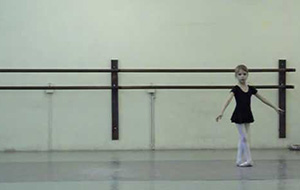
 As children, parents and carers spend lots of time and money committing to dance lessons, even when they take joy from watching rather than doing. Taking children to dancing lessons requires energy and time, not to mention additional funds for competitions, costumes and extra performances. For a child, it is not until later that they see dance lessons in the same way, as an investment. Only then do they see that time, money and energy go to waste when they do not make the most of their dance lessons.
It is understandable that every dancer experiences a rut in their training, where they may not want to attend classes or feel they are not improving at the rate they should be. Despite this, it is not the dancers that stretch the most, sweat more or practice at home at all hours that necessarily get the most out of their dance classes either. The correct mental attitude is hugely important in dance training, to understand the purpose of dance for yourself and how to experience it in the best possible way.
When dancers become older, their adult freedom equates to a similar responsibility for themselves, be it getting themselves to classes, paying for their own training or beginning to assist with the teaching at the local dance studio. With these aspects comes heightened responsibility, for learning, fuelling and directing your dancing. It goes without saying that dancers must therefore arrive early and prepared for class, being focused and dedicated to the class, taking and applying corrections that are given to the class and spending time on the parts that need the most improvement, even if that means going back to basics.
Making mistakes is a large part of dance training; it will mean you will discover something new about the dancing body, through listening, watching, or error, even if this feels uncomfortable. Don’t forget to enjoy the process and thank your teachers for giving you the tools to better yourself and work hard in each class you take.
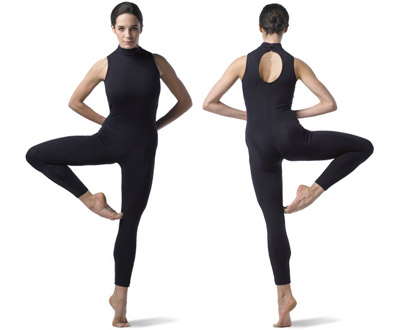 Despite it being the worst possible scenario for most dancers, sometimes dancing cannot come first in life. Whether this is because of personal, time-restrictive or financial circumstances or even public holidays, sometimes dance must be factored into a busy life, rather than the other way round.
 As a dance student, you may wonder how you will ever remember every note, correction and suggestion you are given in class. You may even have more than one teacher; even two teachers means double the amount of notes you are given! You may have teachers who work by the same method, however they may teach in very different styles. Whilst this is beneficial to ’round’ you as a dancer, it may be tricky to keep track of everything you have to remember.
 For many dance students, the summer spells summer schools and dance intensives. These summer training programmes are designed to push dance students further and give them another dance experience. They can vary in length, style and structure, but it is important to make the most of the programme while looking after your body.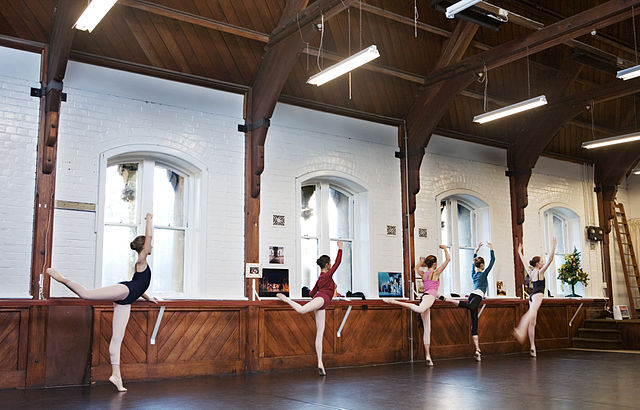
 DanceXchange, Birmingham, has got a dance-packed summer ahead, running a varied programme of dance activity for young people and students which begins in August. The dance hub will be carrying out a hive of activity for young dancers and aspiring professionals, beginning with two summer courses: Youth Dance Intensives for ages 11-14 and 15-21 years (10 August and 27-30 August), and Choreolab for ages 15-21 (19-24 August and 18-20 October).