
A Welsh pilot programme, amounting to £300,000, is set to develop new theatre for children by encouraging artists and companies to create theatrical experiences for families and young people for the first time. Whilst the UK capital is well-equipped in offering experiences of this kind to young families, this is now being encouraged across the rest of the country too.
Artists and companies working across the performing arts are being encouraged to create theatre for young people through a new three-year pilot programme. Cardiff-based Theatr Iolo will receive £310,500 from the Arts Council of Wales and the Esmée Fairbairn Foundation in order to run the project, named Platfform.
The project aims to explore new ways of creating these theatrical experiences for families and young people, and consequently widening access to theatre across Wales and the rest of UK. This is particularly poignant for children and families experiencing barriers to accessing the arts.
The first year of the pilot project will see up to three artists or companies developing their work in order to grasp the market of young people’s theatre for the first time, focused on particularly in venues across south east Wales. The three venues hosting artists during the first year will be Cardiff’s Chapter Arts Centre, where Theatr Iolo is resident, Parc & Dare in Treorchy, and The Welfare in Ystradgynlais.
The residencies at the three venues will culminate in new and innovative programmes of work, created especially with and for young people. The financial support of the new project will ensure that the venues and organisations are able to fulfil their aims. Support will also be provided in the form of a pool of mentors and a bespoke package of training. Applications for the development are welcomed from artists and companies for residencies of up to seven months.
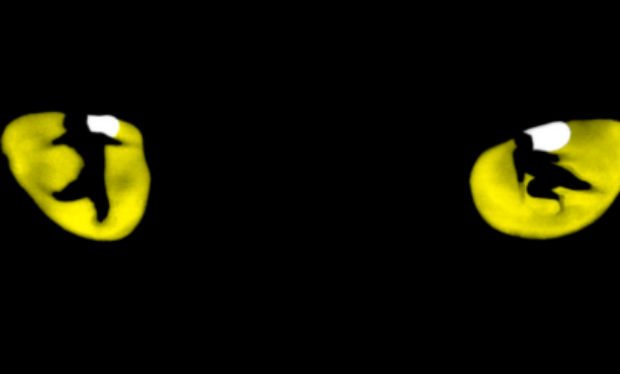 The iconic musical Cats will return to the London Palladium later this year, playing a final ten week season from 23 October 2015, having already seen its West End revival earlier this year which was a huge success. Andrew Lloyd Webber’s creation will go on sale on 14 May for the run, which plays from 23 October 2015 to 2 January 2016.
 Launched in 2010, Sadler’s Wells Summer University supports the development of professional dance artists interested in extending their dance practice. The first edition of the project ran successfully between 2010-2014 and the organisation is now recruiting for the second edition starting in Summer 2015. The Summer University graduates (2010-2014) was a combination of notable dance names, and the second batch looks set to mirror this result.
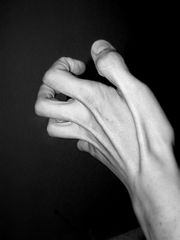 A dancer of any calibre can face pressures in the dance studio, from themselves, their peers and even their dance teachers. Pressures can take hold in many forms, such as healing after injuries, aspiring to create the ‘ideal’ dancing body shape and changes in the behaviour of dance teachers. Each has an effect on both your dancing and performance, hindering the creation and maintenance of a healthy mind and body, which is paramount to excelling in and enjoying dance.
 Siobhan Davies Dance will be taking part in Dancing Museums, a new European partnership project which will bring together five European dance organisations: La Briqueterie – Centre de développement chorégraphique du Val de Marne (France), Comune di Bassano del Grappa (Italy), D.ID Dance Identity (Austria), Dansateliers (Netherlands) and Siobhan Davies Dance (UK). The dance organisations will be joined by eight internationally renowned museums to explore new ways of interacting with audiences.
 Despite a lifelong dream of performing on stage night after night, the hard reality for dancers is you may not fulfil this. This can be for a number of reasons, whether you are injured or are simply feel drawn to another lifestyle. After maintaining these dreams, and even a stint of performing, there are a number of potential options you may wish to pursue. Dancers are resourceful and disciplined, having gained a number of relevant and useful skills during training and performing.