 Even if dancers aren’t pointe novices, often there are still things to learn about caring for dance shoes, pointe shoes in particular. If you are new to pointe work for the new year, start as you mean to go on and ensure your shoes are cared for in the best possible way.
When you buy new dance shoes it is very tempting to put them away in the small plastic bag they were purchased in, to eke out the time that they are still ‘new’. This, however, means the shoes cannot dry out sufficiently after use and may begin to prematurely decompose. Plus, you may come to put them on for your next class and they may still be damp and clammy, which means your feet aren’t receiving the best treatment either. Keep your shoes cool and dry, after having aired them after use.
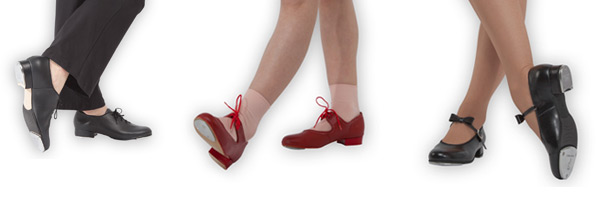
As one of dancers’ main essentials, dance shoes require proper care to provide maximum support and protection for your feet, as well as meaning you can perform to the best of your ability. Make sure you are wearing your shoes correctly too: pointe shoes should be worn with tights and possibly toe pads, rather than socks, and socks should be worn with tap and jazz shoes to help prevent the growth of bacteria. Be careful too when you’re putting on your shoes, as for more delicate shoes in particular, their life span is affected by how you put them on and take them off. Don’t dance in broken shoes, as this can have serious consequences in the form of injuries.
If you need to clean your shoes, make sure you do so depending on the shoe that needs the care. Canvas shoes can be washed in the washing machine, but not tumble dried as they may shrink. A shoe brush on suede-bottom shoes will keep them clean and help maintain their texture, but don’t wear your dance shoes outside. Not only will they get dirty, but it can damage the soles too.
 Making a ballet tutu can be a very rewarding experience. To see your costumes on stage after a long process of creating them creates feelings of pride and accomplishment, following carefully sewing on hooks and eyes, and creating layers and layers for the finished product.
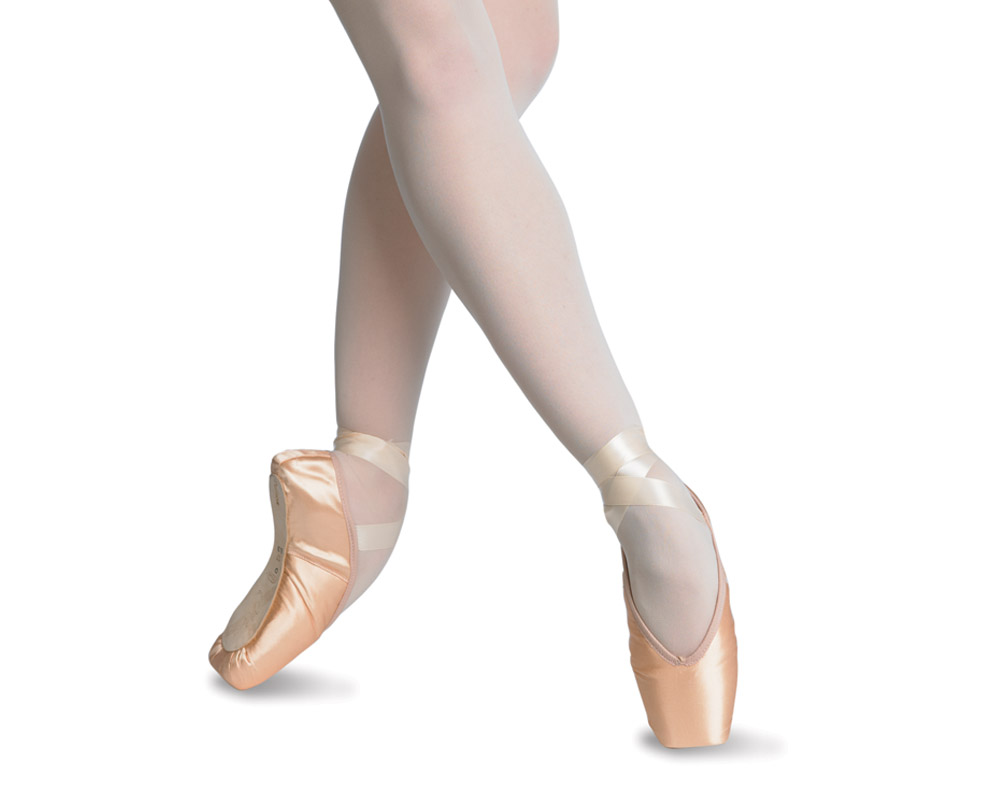 Dance students new to pointe are always excited to get going, inspired by what they have seen through their dance training so far. Watching older students or favourite ballerinas dancing en pointe is often an enamouring experience, and now it is the turn of the younger students to get their first pair of pointe shoes.
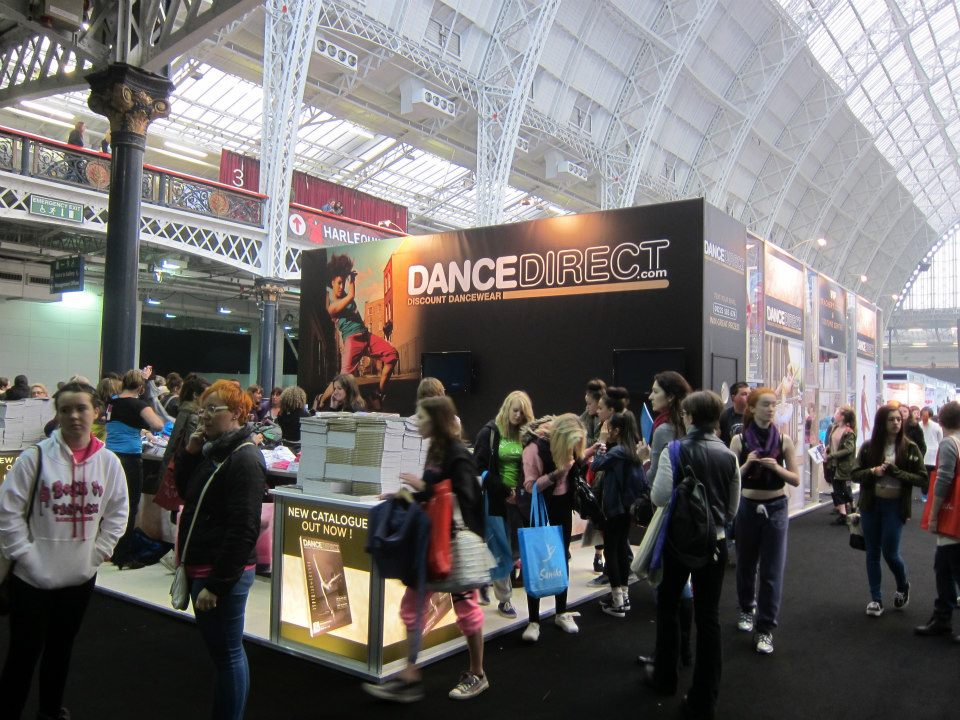
 MOVE IT, the UK’s biggest dance event is back for 2014. From 7-9 March, Olympia London will be the home to over 100 live performances, inspirational dance classes spanning all genres and live interviews with renowned dancers and celebrities from the dance world. Tickets for this fantastic dance event are now on sale, in addition to MOVE IT 2014 merchandise, is available to pre-order online at http://www.moveitdance.co.uk/Content/MOVE-IT-2014-merchandise/5_50/
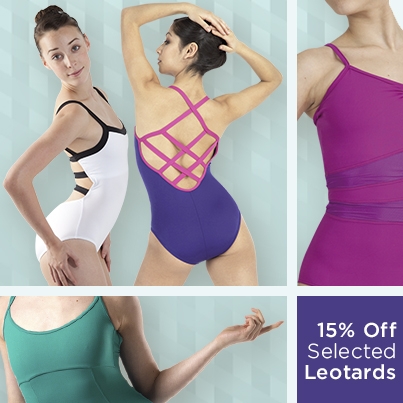
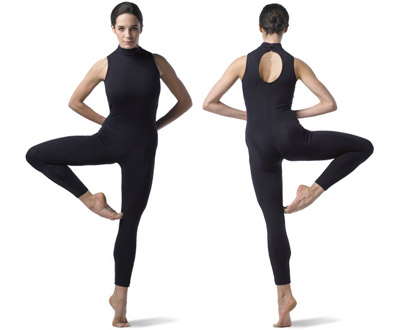 Whilst the stereotypical uniform for dance is much the same, different uniform is required for different dance schools, different exam boards and even different dance grades. For a non-dancer, the assumption of pink ballet tights and a leotard for ballet is not so far from the truth, the stereotypes also formed for tap and modern jazz. Contemporary and lyrical classes tend to be a little more free and liberal in terms of what the dancer dons, and can range from anything to short shorts and tights tops to tracksuit bottoms and baggy pyjama-style tops, known on the whole as ‘baggies’, often used in any dance class for warming up.
 It is that time of year again, when summer school places are booked up and participants are eagerly waving their practice shoes and leg warmers, impatient for the summer holidays when they can either continue or intensify their training over the sunny weeks ahead. Whilst there are a great many summer courses, school workshops, classes and more on offer to the dedicated dance student, all require one thing: a checklist of dance shoes and practice clothes.