
 For many dance students, the summer spells summer schools and dance intensives. These summer training programmes are designed to push dance students further and give them another dance experience. They can vary in length, style and structure, but it is important to make the most of the programme while looking after your body.
It is important to warm up properly, despite the fact the warm weather will make you feel like you are already warm and flexible. While your body is warm however, your muscles and joints are not. Don’t be tempted into skipping your usual warm up, in order to give your body the preparation it needs to dance and protect itself from injury.
Remember to drink enough water during summer programmes: staying hydrated is one of the most important parts of taking care of yourself during long days of dance. Make sure you drink water before, during and especially after classes, and also ensure you eat well-balanced meals. You will be dancing for many hours every day, which may be more than you’re used to, so make sure you eat enough of the right food to get you through the day.
With many different dancers around it is tempting to become competitive and push yourself beyond your dancing limits. Get enough rest to balance out the energetic days, which also means you will decrease the risk of injuring yourself. Injuries are common during summer programmes, simply because you are dancing more than your body is used to. Pay attention and listen to what your body is telling you and at the end of the day cool down and stretch.
Above all, remember to have fun! Summer intensives are designed to push you towards being a professional, but remember to enjoy the hard work.
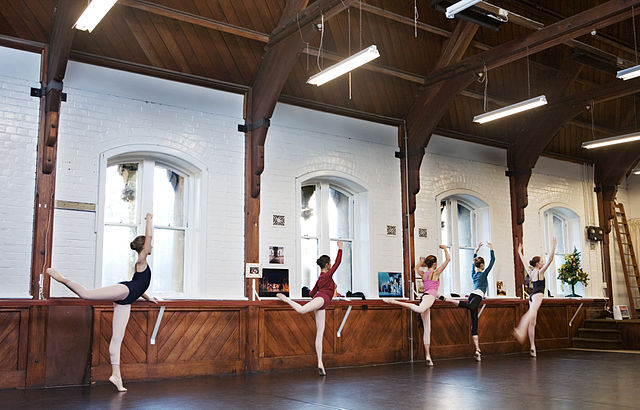 Choosing a dance school is of utmost importance for your budding dancer. For young dancers it is important they have fun in addition to learning about the dance basics before they progress further. With older dancers who are changing dance studios, it may be an idea to find out where current and former students of the studio are and what they are doing. Depending on how serious your child is about dance, it is importance to find a dance school with excellent technical training alongside a passion for developing youth dance.
 While major injuries are devastating, it is often the smaller injuries which have more of an effect on a dancer’s wellbeing, such as being covered in bruises or burning the feet constantly. Dancers can become desperate for a cure, such as for cuts, split skin, blisters and bruises.
 Musical theatre is captivating for many people, where the magic of illusion makes anything possible. For professional musical theatre performers, being on stage is the culmination of years of training and hard work; often encompassing more skills than were originally required by becoming a triple threat of singing, acting and dance. Now productions require an ever-increasing range of skills, such as puppetry and stilt-walking (Lion King), acrobatics (Pippin), playing a musical instrument (Fiddler on the Roof) and roller-skating (Starlight Express).
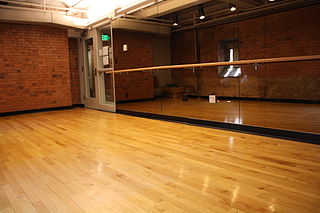 It is often a revelation to dance in a studio without mirrors. Some dancers may feel uncomfortable and uncertain at first not to have mirrors, as they are not to be able to see what they are doing and check they are performing the exercises correctly. Despite this many would argue that the movement will feel right for the body, and mirrors are not required to feel this as they encourage dancers to ‘make shapes’ rather than initiate the movement from an internal source.
 In both the musical theatre and acting industries – in fact, any of the performing arts – securing an agent can be tricky, and almost as difficult as securing jobs! Some graduates from performing colleges leave with agents already secured; most of these are the agency that works alongside the institution and the graduates are automatically added to their books. Other instances of securing agents upon graduation is a direct result of the students inviting agents to their final college showcases, and being taken on that way.
 As a passionate young dance student, it can be hard to conceive of a life without dance. Perhaps you’ve been injured, or can’t get a job or even discovered a full dancing life just isn’t for you. You may be able to return to dancing, and if you do your body will not have forgotten, and you’ll be able to bring more to your dancing than previously.
 Soft tissue therapy is a method used to assist dancers in building and maintaining flexibility and facility, as well as treating injuries, in keeping the body both strong and supple. Using soft tissue therapy aids dancers in reaching their potential: sometimes referred to as massage, the technique covers such a broad range of entities the term massage cannot encompass them.
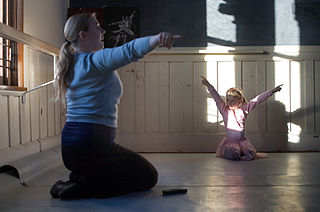 For most young children, dance class is a time to don the pinkest tights in town and join their friends in becoming fairies, soldiers and various other characters at the command of their teacher. It is only when children become a little older that ballet and dancing becomes a little more disciplined and structured. Instead of bouncing, bending and clapping there are pliés, tendus and lots of skipping. The focus may still be on having fun, but now works to encourage the ballet basics.