
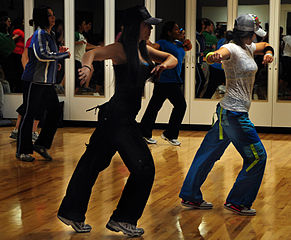
 Regardless of your favourite dance discipline, it is important to maintain your practice in other dance forms to both complement and balance your training. Whilst one discipline may be concentrated on, it is beneficial both physically and mentally to take part in other dance forms other than your main interest.
Many teachers encourage their students to try everything to ensure their dance training is well-rounded and dance interests are well-informed. The more dance styles and dance knowledge you have under your belt, the better!
Once dance students begin to venture into dance careers, the different dance styles lend themselves to performances in different ways, and can even influence the roles you are cast for and whether you may have a role created on you in the future. Having a multitude of dance skills at your disposal means dancers are even more of an asset to the dance companies they join. Dance companies demand a lot from their dancers, so the more you can offer, the better.
Despite this, sometimes extreme pressure is placed on the body (and mind) when something completely new is required. Different styles to what you are used to can be difficult to get used to, but by cross-training your body, it will become easier to manage these changes.
Daily class is one of the best ways to cope with the extremes of different styles, as it warms the body up and prepares it for the day ahead. Keeping the body strong and confident is important, so eating well and looking after your body outside of the studio is also vital to succeeding.
Don’t forget that the opportunity to work on lots of different things in lots of different styles is the best way to develop as a dancer, and keep on learning!
Image courtesy of Wikimedia Commons.
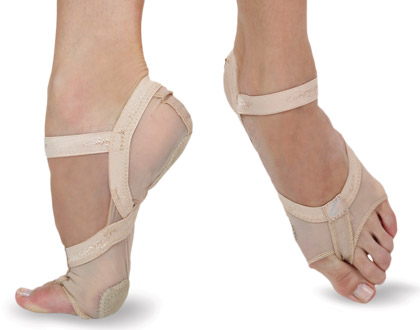 The feet are important to any human being, in terms of posture, gait and movement. For dancers the feet are constantly put under pressure as dance relies predominantly on flexible, mobile and healthy feet. Despite this there are a few common foot injuries in dancers:
 For many dance students, the summer spells summer schools and dance intensives. These summer training programmes are designed to push dance students further and give them another dance experience. They can vary in length, style and structure, but it is important to make the most of the programme while looking after your body.
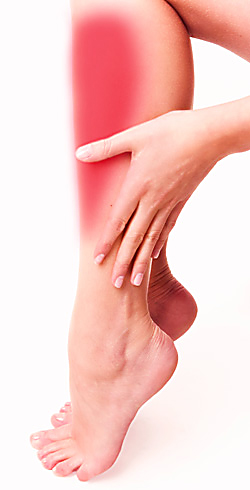 While major injuries are devastating, it is often the smaller injuries which have more of an effect on a dancer’s wellbeing, such as being covered in bruises or burning the feet constantly. Dancers can become desperate for a cure, such as for cuts, split skin, blisters and bruises.
 As a passionate young dance student, it can be hard to conceive of a life without dance. Perhaps you’ve been injured, or can’t get a job or even discovered a full dancing life just isn’t for you. You may be able to return to dancing, and if you do your body will not have forgotten, and you’ll be able to bring more to your dancing than previously.
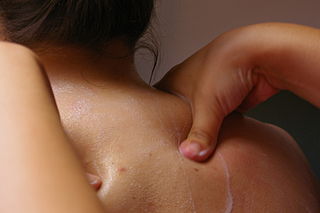 Soft tissue therapy is a method used to assist dancers in building and maintaining flexibility and facility, as well as treating injuries, in keeping the body both strong and supple. Using soft tissue therapy aids dancers in reaching their potential: sometimes referred to as massage, the technique covers such a broad range of entities the term massage cannot encompass them.
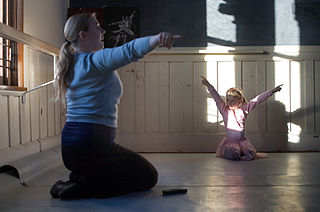 For most young children, dance class is a time to don the pinkest tights in town and join their friends in becoming fairies, soldiers and various other characters at the command of their teacher. It is only when children become a little older that ballet and dancing becomes a little more disciplined and structured. Instead of bouncing, bending and clapping there are pliés, tendus and lots of skipping. The focus may still be on having fun, but now works to encourage the ballet basics.
 For dancers, the correct nutrition for the body is of utmost importance for their performance in dance. Dancers are athletes combined with artistry, so they must think of themselves as athletes, and how athletes manage their food intakes or their nutrient and energy needs.
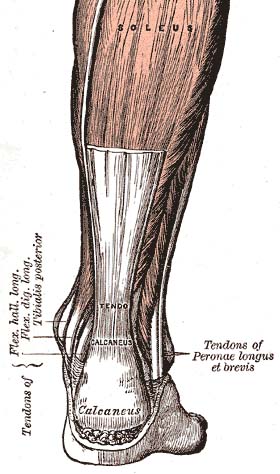 Are you blessed with long Achilles tendons, loose calf muscles and a deep plié? Count yourself lucky. Many dancers are desperate to increase the depth of their plié however, short of surgery, there is only so much change that can be made.